

Flexible Mouldings for Curved Walls and Archways
Flexible mouldings are designed for curved walls, archways and other areas where a standard rigid moulding cannot be used. They follow curved and irregular surfaces while maintaining the profile and detail of the equivalent straight moulding.
Our flexible mouldings can be used alongside standard mouldings to create a consistent finish across straight and curved sections of an interior.
Using Flexible Moulding Around an Archway
Archways often require a moulding that can follow the curve without joints, cuts or changes to the profile. Flexible mouldings can be fitted around the arch and used with matching rigid mouldings on the adjoining straight sections.
They can be used to frame existing archways or add decorative detail to new openings, with profiles available to suit both traditional and contemporary interiors.
House & Garden has also published a useful guide to archways in interiors, covering different styles and ways they can be incorporated into a room.
Some filters could not be applied and were reset.
-
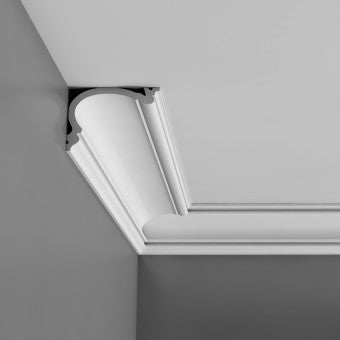 Traditional Cove Ogee Coving | 8.8cm Tall | No.341 £78.00 Add to cart
 -
 Sale Classical Coving | 9.9cm Tall | No.321 £42.30
 Regular price £56.40Add to cart -
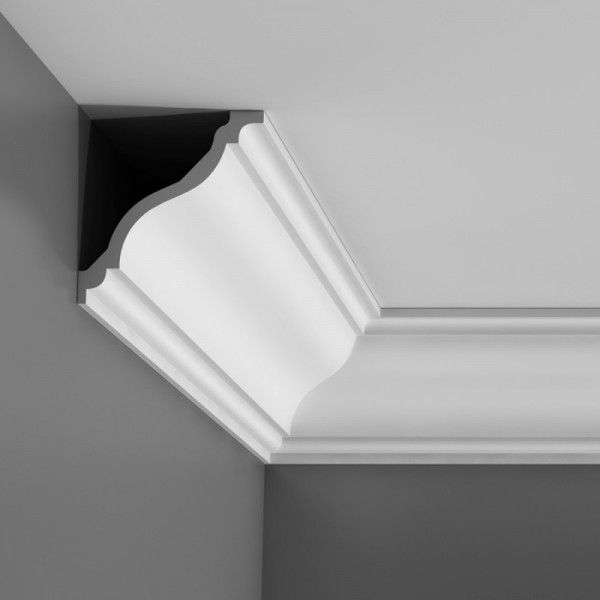 Classic Ogee Coving | 12.2cm Tall | No.333 £56.40 Add to cart
 -
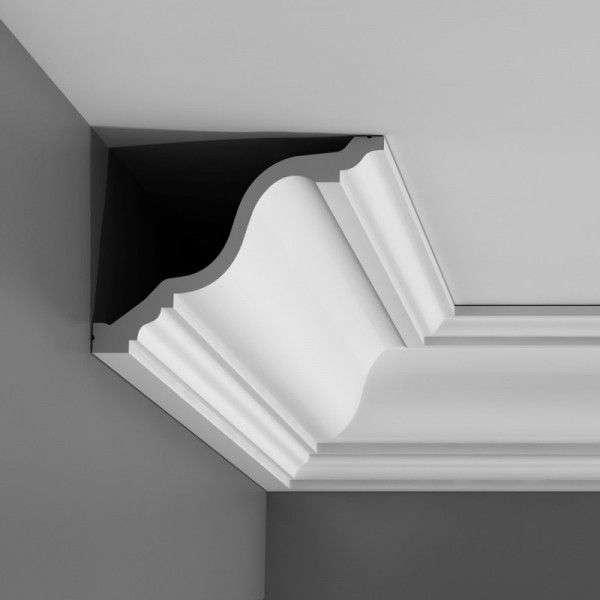 Classical S-Shaped Coving | 15 cm Tall | No.334 £125.60 Add to cart
 -
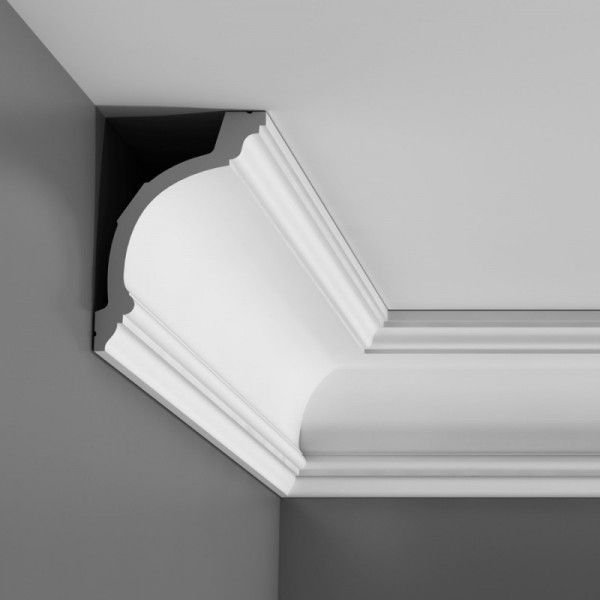 Swans Neck Coving | 15.6cm x 10.3cm | No.217 £84.80 Add to cart
 -
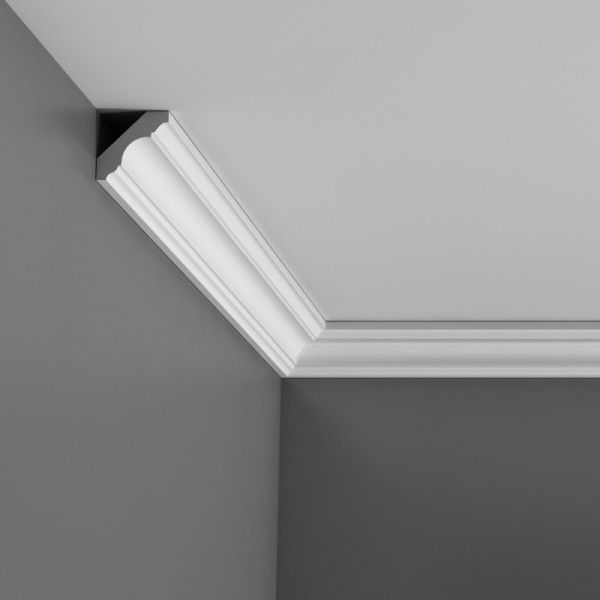 Swans Neck Coving | 4.7cm Tall | No.215 £28.20 Add to cart
 -
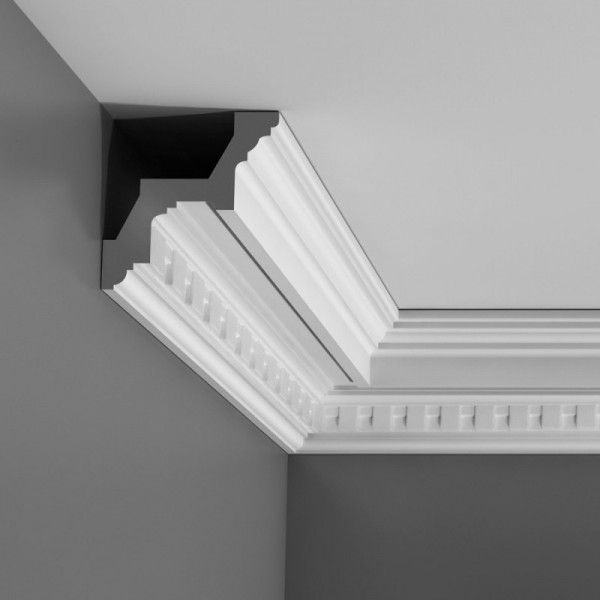 Dentil Coving | 11.6cm Tall | No.211 £74.30 Add to cart
 -
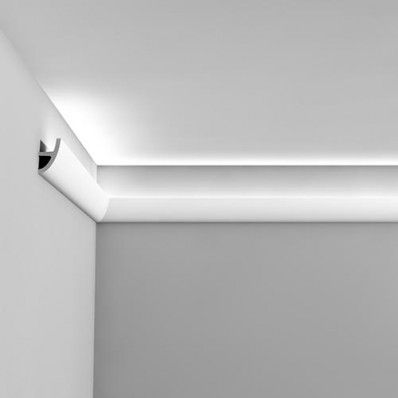 Uplighting Coving | Ready for LED's | 8cm Tall | No.373 £83.90 Add to cart
 -
 Uplighting Coving | Ready for LED's | 18cm Tall | No.374 £114.70 Add to cart
 -
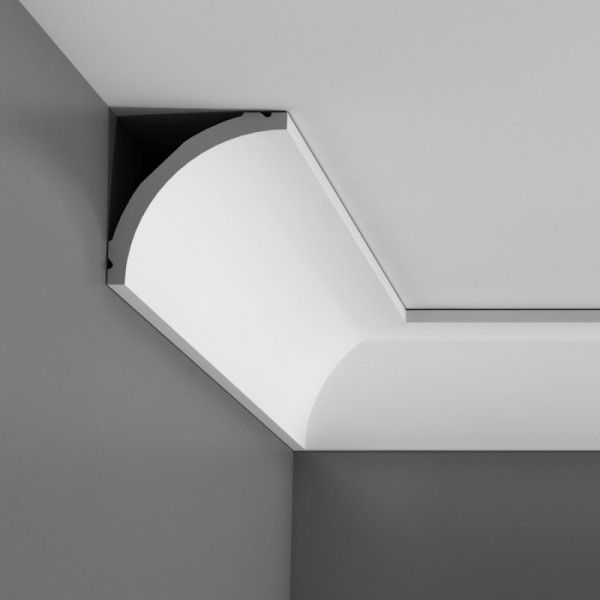 Concave Coving | 8cm Tall | No.240 £50.10 Add to cart
 -
 Concave Coving | 1.6cm Tall x 1.6cm Projection | No.250 £27.60 Add to cart
 -
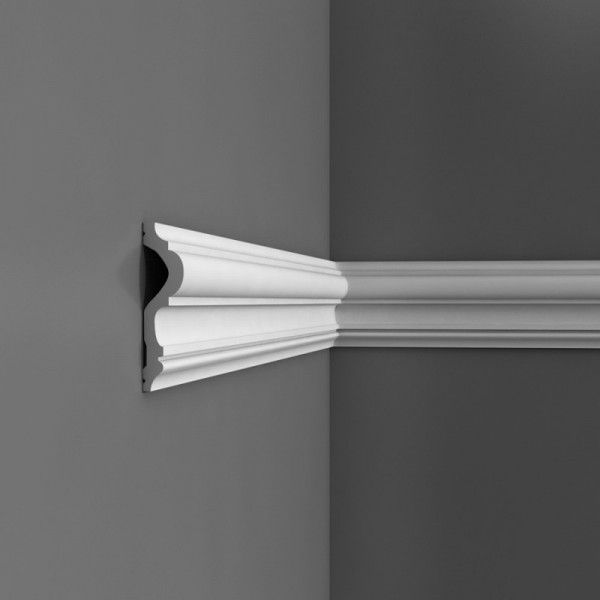 Regency Wall Moulding | Large Dado Rail | No. 8050 | 12cm x 200cm £64.30 Add to cart
 -
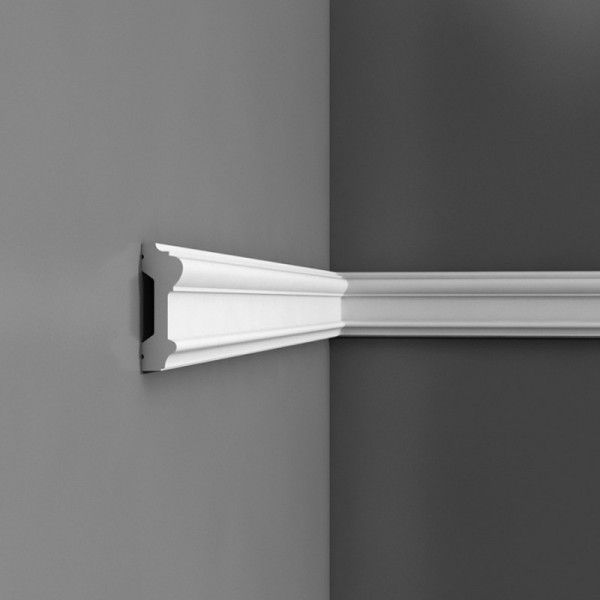 Georgian Wall Moulding | Dado Rail | Door Architrave | No. 9010 | 9.1cm x 200cm £61.40 Add to cart
 -
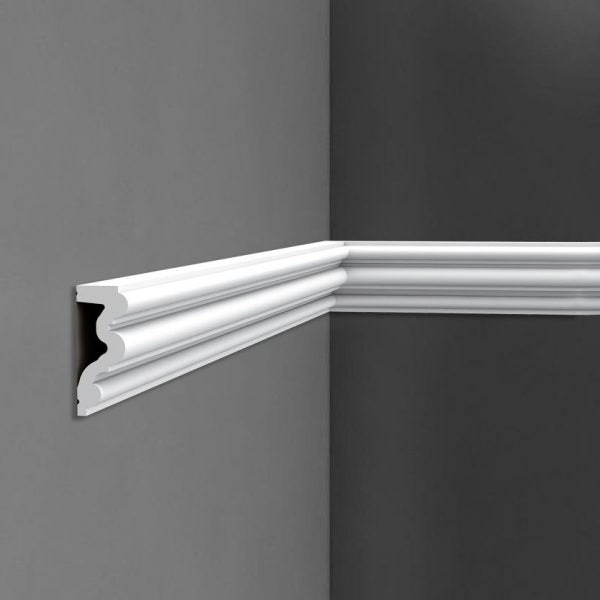 Sale Georgian Wall Moulding | Dado Rail | No. 4025 | 8.3cm x 200cm £53.48
 Regular price £71.30Add to cart -
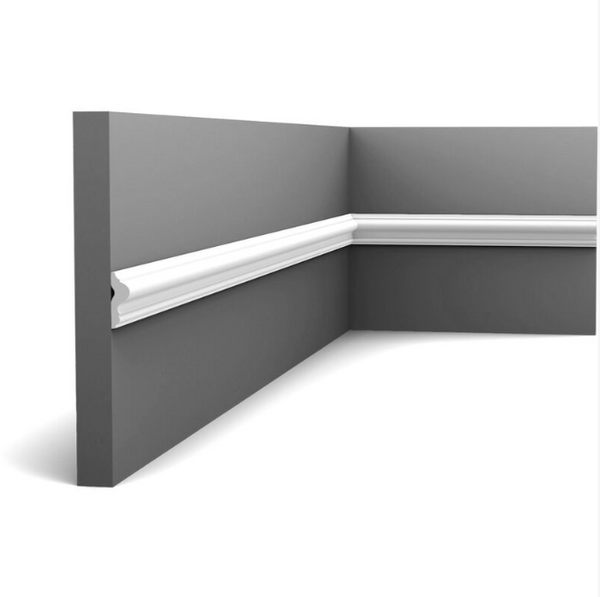 Victorian Wall Moulding | Dado Rail | Panelling | 2.5cm x 200cm | No. 201 £9.90 Add to cart
 -
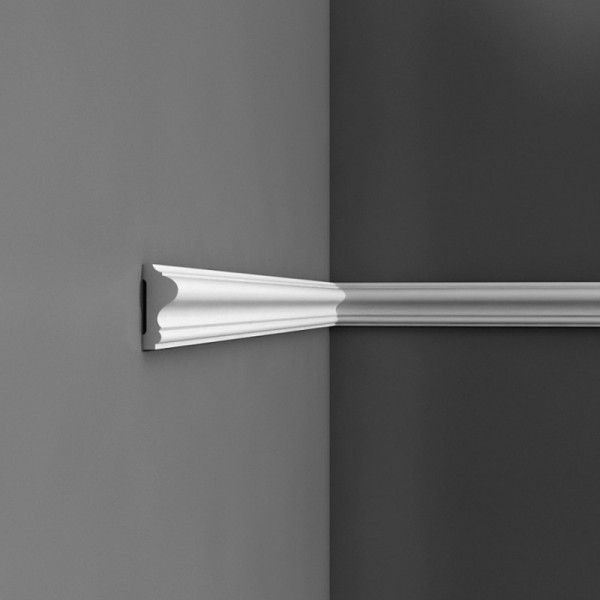 Sale Victorian Wall Moulding | Dado Rail | No. 8020 | 6cm x 200cm £25.28
 Regular price £33.70Add to cart -
 Victorian Wall Moulding | 7.5cm x 200cm | No. 202 £27.70 Add to cart
 -
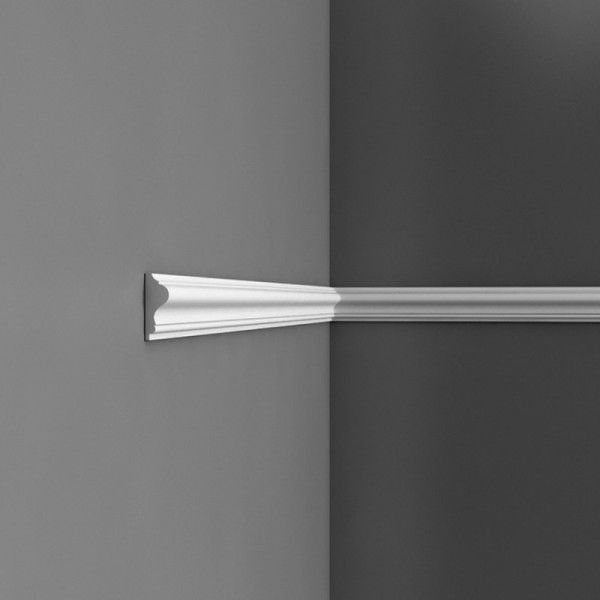 Sale Victorian Wall Moulding | Dado Rail | No. 8030 | 4.1cm x 200cm £21.38
 Regular price £28.50Add to cart -
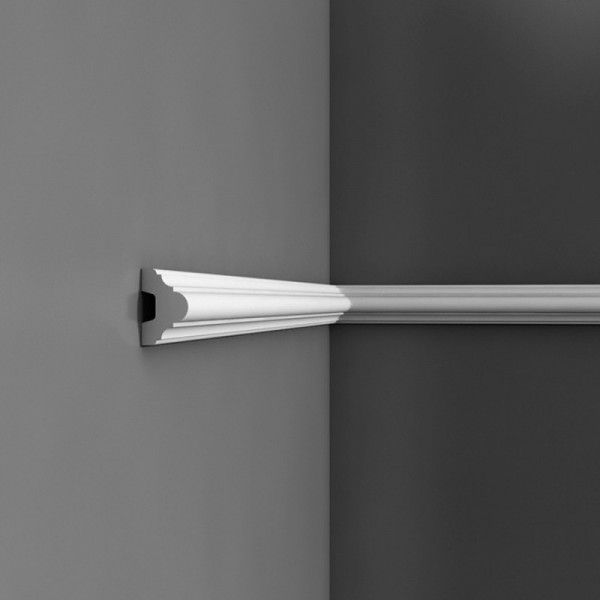 Sale Edwardian Wall Moulding | Dado Rail | No. 4020 | 5cm x 200cm £29.93
 Regular price £39.90Add to cart -
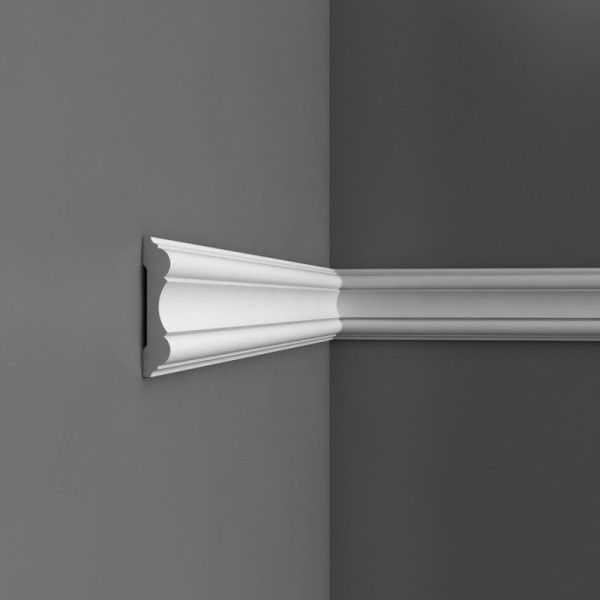 Traditional Dado Rail | Wall Moulding No. 8040 | 10.1cm x 200cm £61.40 Add to cart
 -
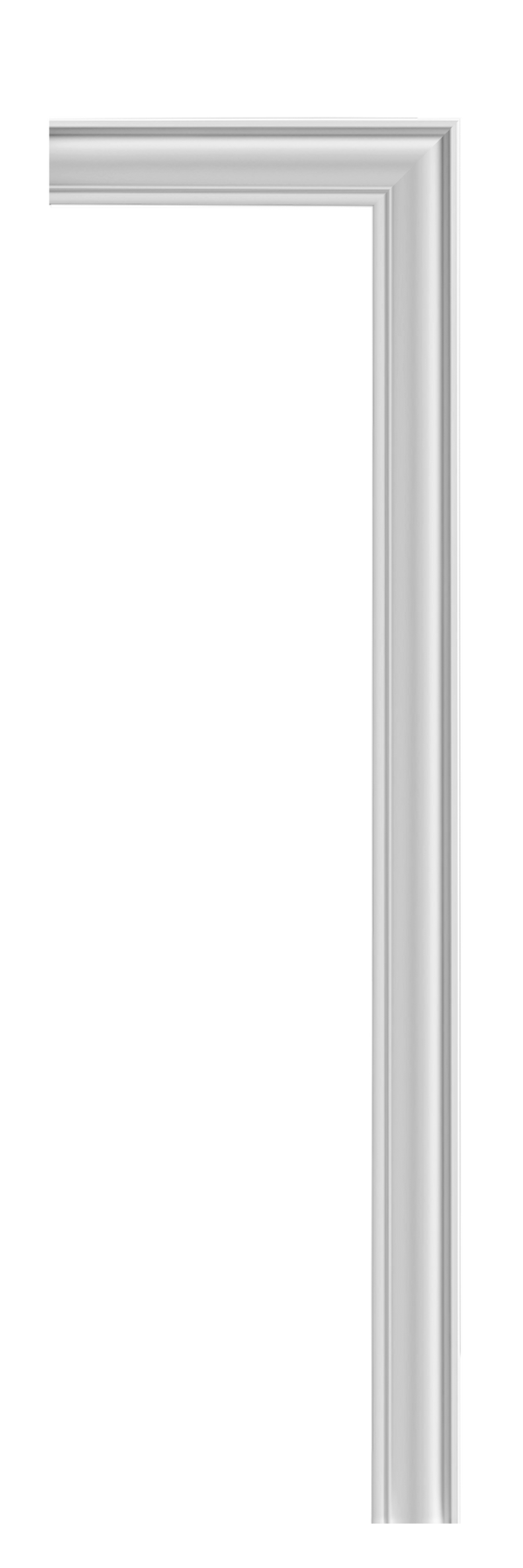 Traditional Wall Moulding | Door Architrave | Dado Rail | 6cm x 260cm | No.174 £23.70 Add to cart
 -
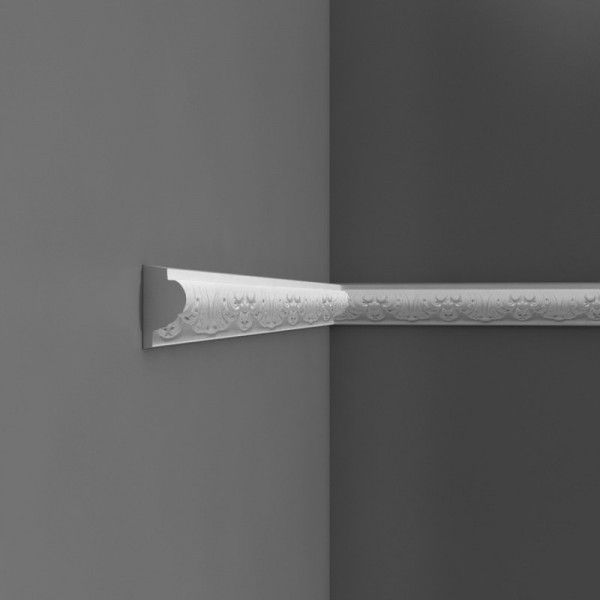 Sale Rococo Wall Moulding | Decorative & Ornate | No. 3020 | 6.1cm x 200cm £36.90
 Regular price £49.20Add to cart -
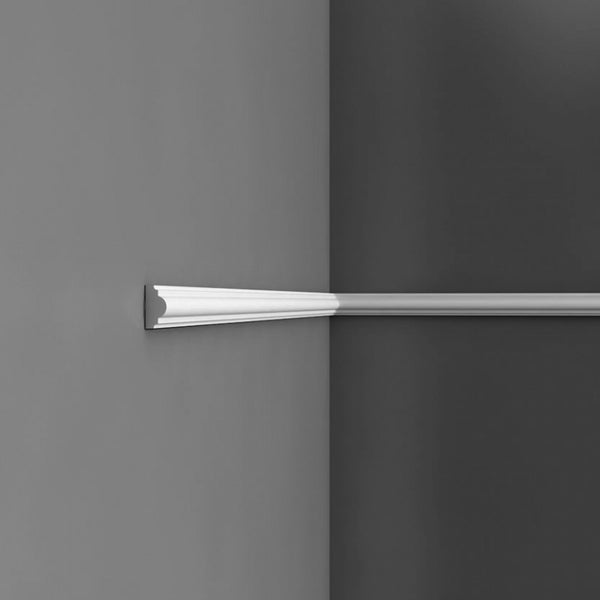 Astragal Wall & Ceiling Moulding | No. 103 | 2.5cm x 200cm £9.00 Add to cart
 -
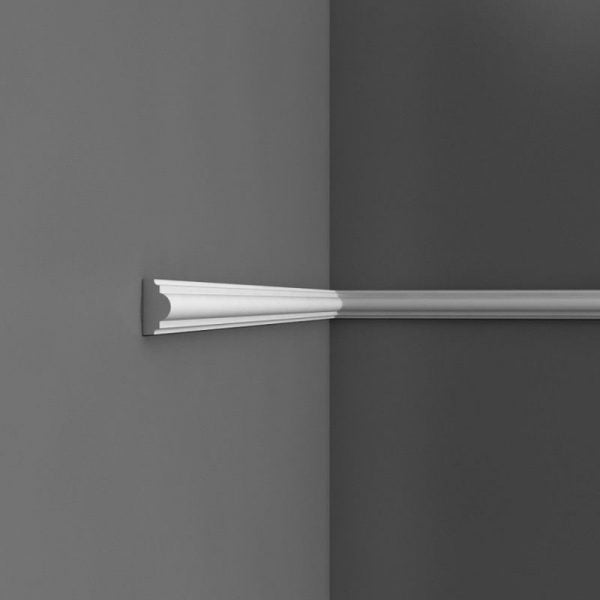 Astragal Wall & Ceiling Moulding | No. 120 | 4cm x 200cm £16.40 Add to cart


Why Is Polyurethane Used for Flexible Mouldings?
Polyurethane is well suited to flexible mouldings because it can bend around curved surfaces without the cracking associated with rigid materials such as timber, plaster or MDF.
It is lightweight, durable and straightforward to handle during installation. Once fitted, the moulding can be painted to match the surrounding walls, trim or other architectural details.
Polyurethane is also resistant to moisture, making it suitable for a wider range of interior applications than many traditional moulding materials.
What Are Bendable Mouldings and Trims Used For?
Bendable mouldings are used wherever a decorative profile needs to follow a curved or irregular surface.
Typical applications include archways, curved walls, rounded openings, curved ceilings, windows and door surrounds. They can be used in residential and commercial interiors and are particularly useful where the same moulding profile needs to continue from a straight section onto a curve.
What Are the Advantages of Flexible Moulding?
The main advantage of flexible moulding is its ability to follow curved surfaces while retaining the appearance of a conventional architectural moulding.
It provides a practical alternative to cutting, joining or attempting to bend rigid mouldings around an arch or curved wall. Flexible profiles can also be combined with matching rigid mouldings, helping to maintain a consistent detail throughout the room.
Is Flexible Polyurethane Moulding Better Than MDF for Curves?
For curved applications, polyurethane flexible moulding has a significant advantage over MDF.
Standard MDF moulding is rigid and is not intended to follow tight curves or archways. Attempting to bend it can result in cracking or damage. Flexible polyurethane moulding is manufactured specifically to bend, allowing it to follow curved walls and openings while retaining the required profile.
MDF remains a suitable material for many straight moulding applications, but flexible polyurethane is the more practical option where the surface curves.
What Caulk Should You Use with Bendable Moulding?
The correct adhesive, filler or caulk will depend on the moulding and the surface to which it is being fitted.
For finishing small gaps after installation, a good-quality paintable flexible caulk may be suitable. Always check the installation guidance for the specific moulding and make sure any adhesive or finishing product is compatible with polyurethane.
What Widths Are Flexible Mouldings Available In?
Flexible mouldings are available in a range of profile sizes. The correct size will depend on the moulding design and the dimensions of the archway or curved surface.
Check the dimensions shown on the individual product page before ordering. If you are unsure whether a profile will work with your project, contact us for specification advice.
What is Millwork?
Millwork is a broad term for manufactured architectural woodwork and interior components, including mouldings, trims, skirting, architraves, doors and window details.
Although traditionally associated with timber products produced in a mill, similar architectural profiles are now also manufactured from materials such as polyurethane and other composites. Interested in the history of millwork?